Benefits and Uses of Bath Salts: A Bath Salt Uses Blog
- Steve Tobiko
- Jun 1
- 4 min read

Bath salts have become a popular choice for those seeking a unique blend of physical care and spiritual well-being. I have discovered that these simple crystals can transform an ordinary bath into a ritual of relaxation and healing. Let me share with you the many benefits and uses of bath salts, and how they can enhance your daily self-care routine.
Discovering the Power of Bath Salts: A Bath Salt Uses Blog
Bath salts are more than just fragrant additions to your bathwater. They are mineral-rich crystals that come from natural sources like the sea or mineral springs. When dissolved in warm water, they release minerals such as magnesium, calcium, and potassium, which are absorbed by the skin. This process helps to soothe muscles, detoxify the body, and calm the mind.
Using bath salts regularly can improve your skin’s texture and hydration. They gently exfoliate dead skin cells, leaving your skin soft and glowing. The minerals also help to balance your skin’s pH, reducing irritation and dryness.
For those who seek spiritual calm, bath salts offer a moment of mindfulness. Adding essential oils or herbs to your bath salts can create a sensory experience that promotes peace and clarity. Imagine soaking in a warm bath infused with lavender or eucalyptus salts, letting the stresses of the day melt away.
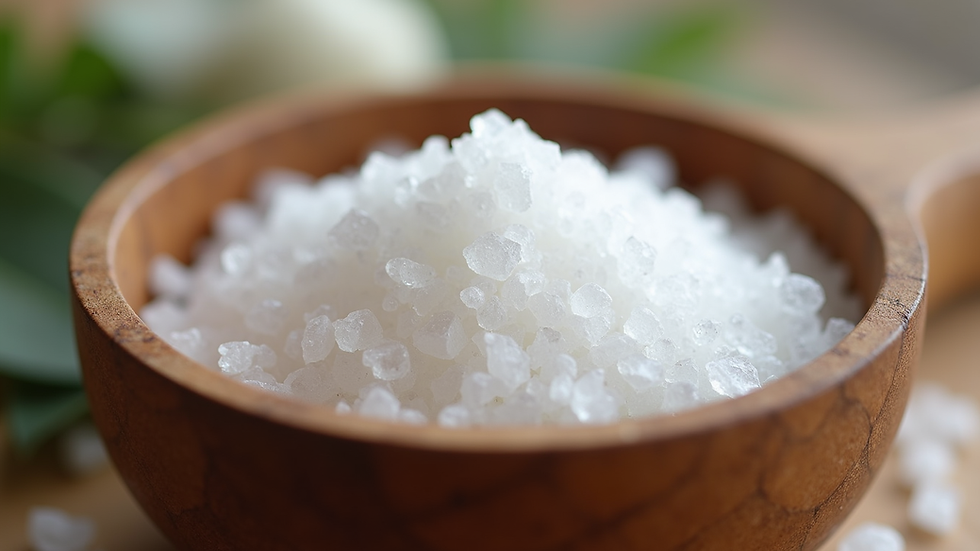
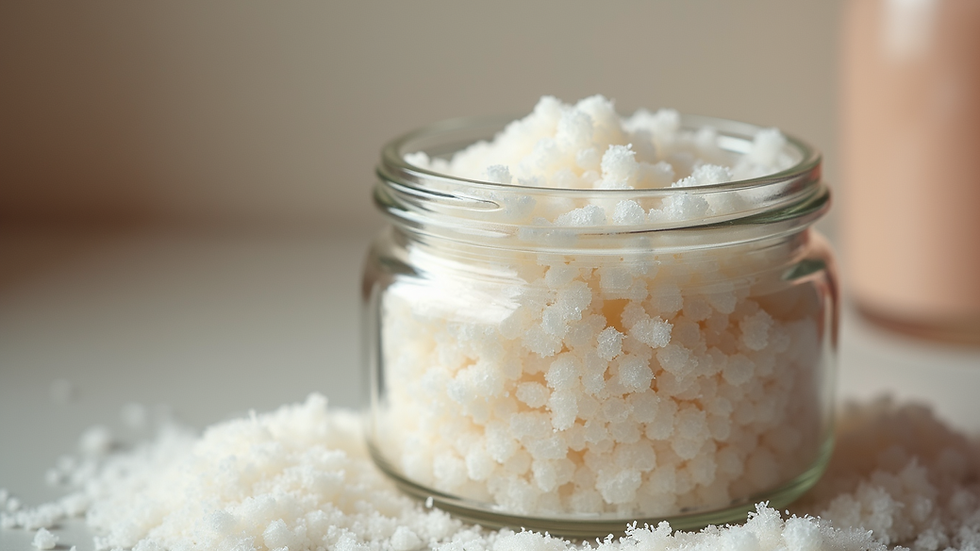
Bath salts ready to transform your bath into a healing ritual
How to Use Bath Salts for Maximum Benefits
Using bath salts is simple, but a few tips can help you get the most from your soak. Start by filling your bathtub with warm water, ideally between 37°C and 40°C. Add about 1/2 to 1 cup of bath salts to the water and stir to dissolve.
Here are some practical ways to enhance your bath salt experience:
Relaxing soak: Spend 20 to 30 minutes soaking to allow your body to absorb the minerals fully.
Aromatherapy: Mix bath salts with a few drops of your favourite essential oil for added relaxation or invigoration.
Foot bath: Use bath salts in a basin for a quick foot soak to relieve tired feet and soften skin.
Exfoliation: Before your bath, gently rub bath salts on damp skin to exfoliate and stimulate circulation.
Remember to drink water before and after your bath to stay hydrated. Avoid very hot water if you have sensitive skin or health conditions.
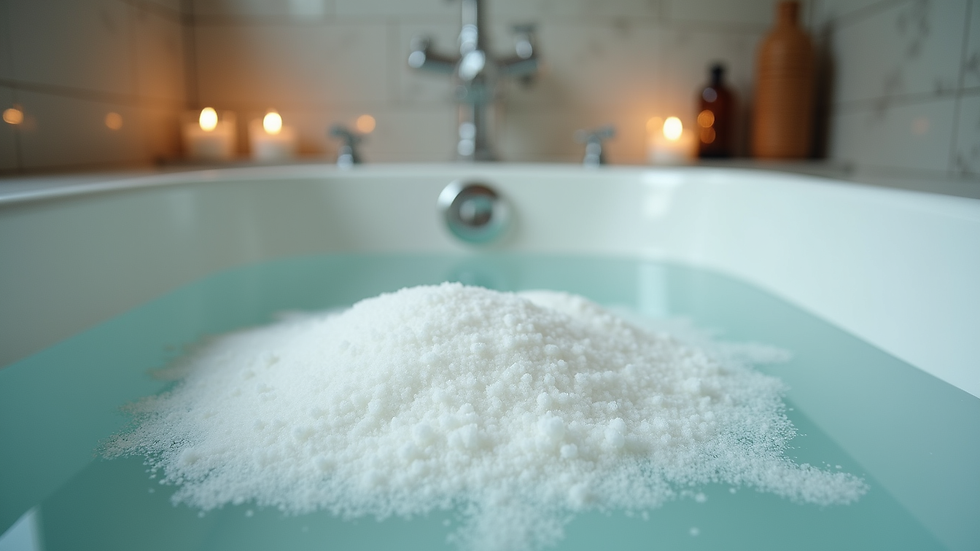
Warm bath with bath salts ready for a soothing soak
Can Kidney Patients Take Epsom Salt Baths?
This is a common question, and it’s important to approach it with care. Epsom salts contain magnesium sulfate, which can be absorbed through the skin. For people with kidney problems, the body’s ability to process excess magnesium may be reduced.
If you have kidney disease or any related health issues, it is best to consult your healthcare provider before using Epsom salt baths. They can advise you on safe practices or suggest alternative bath salts that may be gentler on your system.
For those without kidney concerns, Epsom salt baths can be a wonderful way to relieve muscle pain, reduce inflammation, and promote relaxation.
Spiritual and Magical Uses of Bath Salts
Bath salts are not only physical remedies but also tools for spiritual cleansing and magic rituals. Many cultures use them to purify the body and mind, creating a sacred space for meditation or prayer.
You can create your own ritual by choosing bath salts infused with herbs or crystals that resonate with your intentions. For example:
Rose petals and pink salts for love and emotional healing.
Sage or cedar salts for protection and clearing negative energy.
Lavender salts for peace and restful sleep.
Light candles, play soft music, and focus on your breath as you soak. This practice can deepen your connection to yourself and the universe, bringing serenity and balance.
If you want to explore more about these unique uses, I encourage you to read bath salt blog online for detailed guides and inspiration.
Tips for Choosing the Right Bath Salts
With so many options available, selecting the right bath salts can feel overwhelming. Here are some tips to help you choose:
Check the ingredients: Look for natural, pure salts without artificial additives.
Consider your skin type: If you have sensitive skin, opt for gentle salts like Dead Sea salt or Himalayan pink salt.
Think about your goals: For muscle relief, Epsom salts are ideal. For skin nourishment, Dead Sea salts are rich in minerals.
Scent preferences: Choose unscented salts if you are sensitive to fragrances, or select those with essential oils for aromatherapy benefits.
Packaging: Eco-friendly packaging supports sustainability and aligns with a holistic lifestyle.
Using high-quality bath salts enhances your experience and ensures you receive the full benefits.
Embrace the Ritual of Bath Salts for Your Well-Being
Incorporating bath salts into your self-care routine is a simple yet powerful way to nurture your body and spirit. Whether you seek relief from physical tension, glowing skin, or spiritual calm, bath salts offer a versatile solution.
I invite you to create your own moments of magic and serenity with these mineral treasures. Start with a small jar of your favourite bath salts and discover how a warm soak can transform your day.
Remember, your well-being is a journey. Let bath salts be a part of your path to balance and harmony.
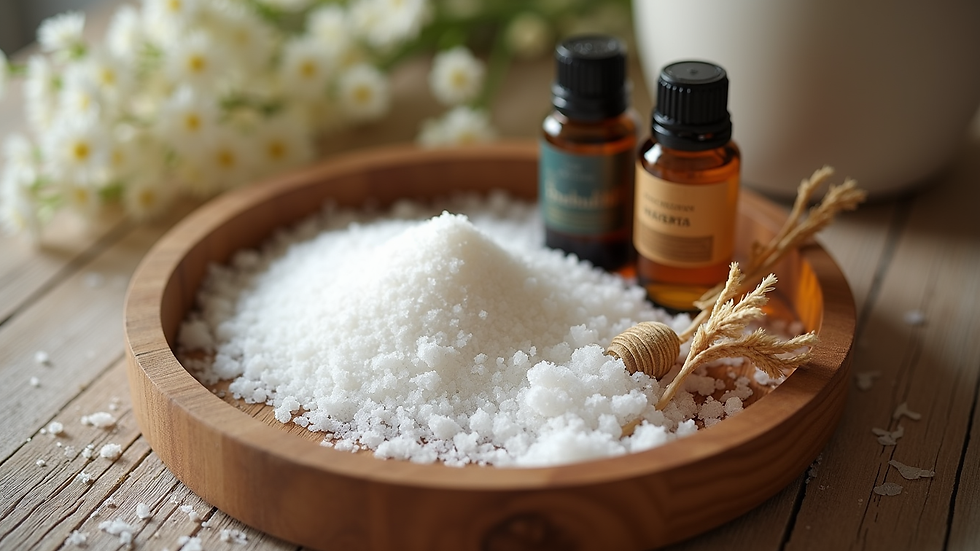
Bath salts and essential oils ready for a calming bath ritual
Comments